Moreover, the lottery’s social and financial implications extend beyond personal winners. Governments usually use lottery profits to account community companies like knowledge, healthcare, and infrastructure, creating a delicate harmony between personal dreams and societal needs. The debate surrounding the ethics of such funding systems continues, with advocates displaying the good affect areas and detractors pondering the sustainability of relying on gambling for essential services.In substance, the lottery remains a double-edged blade, a mark of wish and aspiration for a few and a way to obtain controversy and review for others. Its draw persists, nevertheless, since it embodies the general individual want for an opportunity at a better living, reminding us that, in the great carry of chance, fortune and destiny may intertwine in surprising ways.
A lottery is a amazing and huge kind of gaming that’s caught the creativity of people around the globe for centuries. At its key, a lottery is really a sport of chance, wherever players buy passes or select numbers in the hopes of winning a monetary prize. The attraction of lotteries is based on the prediksi hk tantalizing possibility of sudden wealth, as also the littlest investment can provide life-changing returns. Whether it’s the enjoyment of watching numbered balls decline on stay tv or the thrill of scratching off a ticket to reveal hidden designs, lotteries offer a special mixture of expectation and trust that several other styles of leisure can match.
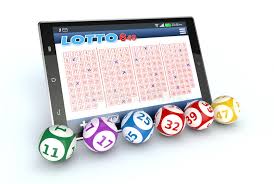
Lotteries get numerous forms, from conventional draw-based activities like Powerball and Brilliant Thousands, where members pick figures and wait for the weekly or bi-weekly drawing, to instant-win scratch-off passes offering a sudden shot at victory. The chances of earning a lottery jackpot are once slender, often similar to being hit by lightning or experiencing other uncommon events. Despite these long chances, huge numbers of people eagerly participate, adding to the immense treasure pools that could accrue around time.
Lotteries also provide a profound social and financial impact. They produce considerable revenue for governments and finance various community services, such as education, infrastructure, and healthcare. Nevertheless, experts fight that lotteries disproportionately affect lower-income individuals, who may possibly spend a significant section of their earnings in pursuit of a desire, possibly exacerbating economic inequality. More over, experiences of lottery champions encountering equally extraordinary achievement and awful misfortune abound, featuring the complicated psychological and psychological effects of quick wealth.